Hub / Troubleshooting
Something is wrong with it
Most dehumidifier faults are not faults. They are a machine behaving correctly in conditions its owner did not expect. These pages tell you which is which, quickly, because you are probably standing next to it.
If it has stopped collecting water, start at not collecting water. If it is running constantly, start at ideal humidity settings.

10 pages in this section
Everything in this section






The short answer
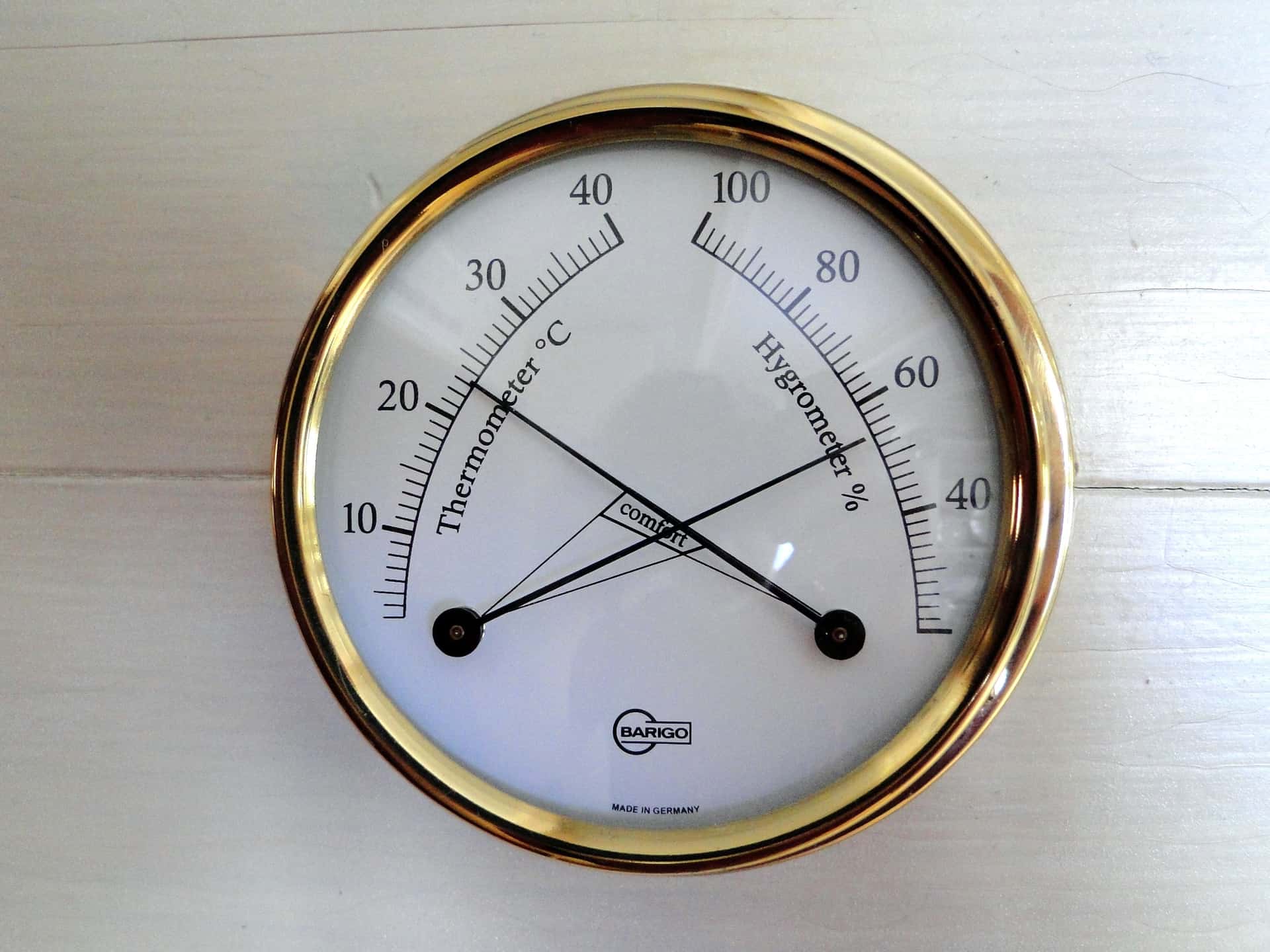
The four most common complaints are: it collects no water, it ices up, it leaks, and it will not get below 60% humidity. Three of those four are usually correct behavior for the room's temperature or the unit's size, not a hardware failure. The fourth, leaking, is usually the drain hose.
Check these five things before anything else
- 1How cold is the room? Below roughly 65F a compressor unit's output falls sharply, and below about 41F most stop usefully working at all. This is physics, not a defect. Icing up.
- 2Is the drain cap still in? Units with a threaded gravity outlet ship with a cap fitted. Leave it in and connect a hose and the water has nowhere to go. This is the single most common false fault report in the category.
- 3Is the filter blocked? A clogged filter starves the coil of airflow, which makes the coil colder, which makes it ice. Cleaning and maintenance.
- 4Is the humidistat target above the room's current reading? If you set 60% and the room is at 55%, the machine is supposed to do nothing. Many owners read that as broken.
- 5How long has it been running? A correctly sized unit pulls a damp basement down over days, not hours. The first 24 hours in a wet room produce a lot of water; the tenth day produces very little, and that is success.
The one that is usually a real fault
Water on the floor around the machine is genuinely wrong, and it is nearly always the drainage rather than the unit. A gravity hose with a sag holds a plug of water that backs condensate up into the tray. A pump that has stopped will either shut the unit down or, on some designs, let the tray overflow. A cracked tray is rare but does happen.
Work down the hose before you open the machine: check for a low spot, check the end is not submerged, check the cap. Leaking and drain not working cover the sequence.
Noise, and what is normal
A compressor dehumidifier is not quiet and cannot be made quiet. It contains a compressor that cycles and a fan that runs continuously, and in a 50-pint unit both are sized for a basement rather than a bedroom. If the noise is the problem, the answer is usually a different class of machine - a smaller compressor unit, or a thermoelectric one for a very small space - rather than a repair. Too loud.
A new rattle, a grinding sound, or a buzz that starts and stops with the compressor is a different matter and is worth a warranty call. AlorAir publishes a six-year limited warranty on its crawl space units; most portables publish one year.
What we can and cannot tell you here
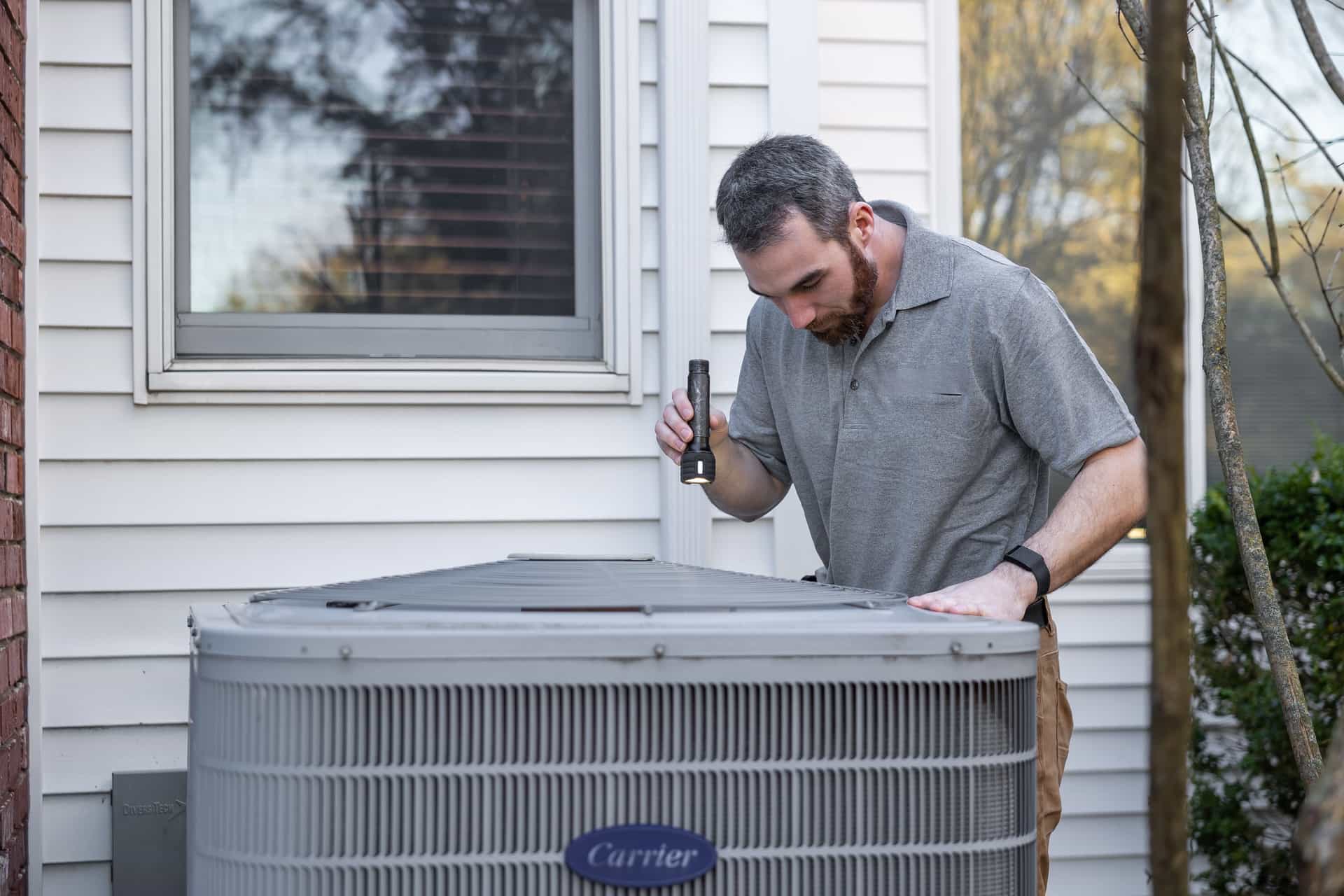
These pages explain mechanisms and rule things in or out. They do not diagnose a specific unit remotely, and where a symptom points at a sealed refrigerant system the honest answer is that it needs a technician or a warranty claim, not a YouTube fix. We will say so rather than invent a procedure.
FAQ
Questions
Why is my dehumidifier not collecting water?
Is it normal for a dehumidifier to ice up?
What humidity should I set a basement dehumidifier to?
Sources
Sources
We have not tested these products. How we work explains what we do instead, and how this site is funded.