Hub / Reviews
Model references, not test reports
We have not run any of these machines. What follows is every published number about each one, compiled, computed and cited - which turns out to answer more questions than a hands-on impression does.
Start with the Midea Cube 50 Pint, the default basement machine, or read how we pick first.

22 pages in this section
Everything in this section
Reviews / Midea
Midea Cube 50 Pint
Certified 49.67 pt/day at 487 W, and the splitting body that solves a real drainage constraint.
Top pick: Midea Cube 50 Pint Dehumidifier
Reviews / Midea
Midea Cube 50 Pint with Pump
Identical 487 W certified draw to the non-pump Cube, with the pump that decides where the water goes.
Top pick: Midea Cube 50 Pint Dehumidifier with Pump
#ad Price as of October 17, 2026. How we are funded
Reviews / Frigidaire
Frigidaire 50 Pint with Pump and Wi-Fi
Frigidaire prints 620 W and 470 W; the certified record says 490 W. Why the average sets your bill.
Top pick: Frigidaire 50 Pint Dehumidifier with Pump and Wi-Fi
#ad Price as of October 17, 2026. How we are funded
Reviews / Frigidaire
Frigidaire 50 Pint Portable
Frigidaire's no-pump 50-pint: certified at 488 W, a 2.7 gallon bucket and nothing to break in the drainage.
Top pick: Frigidaire 50 Pint Dehumidifier with Wi-Fi
#ad Price as of October 17, 2026. How we are funded
Reviews / GE
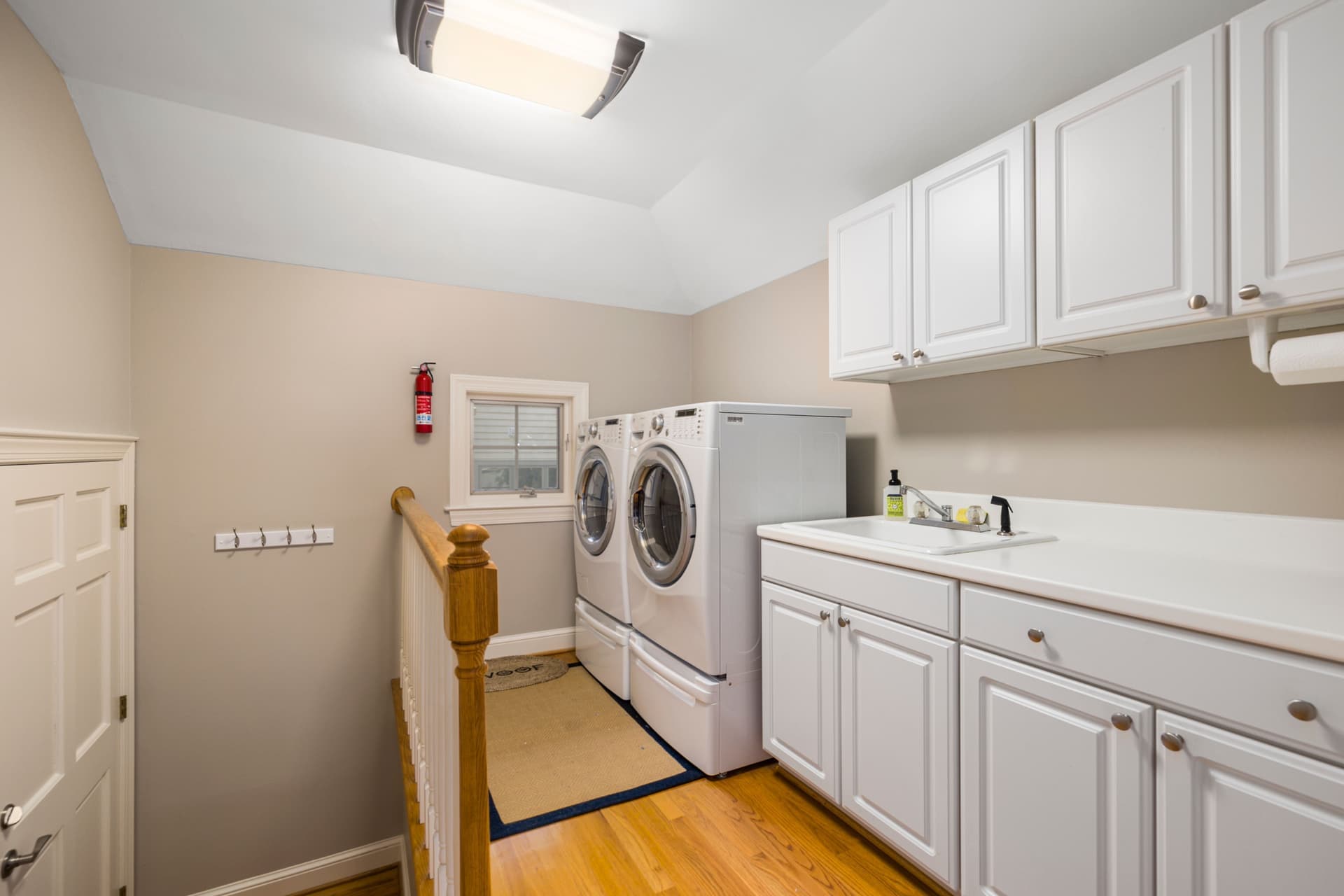
GE 50 Pint with Pump
15 feet of lift and a 16 foot hose, both in writing - the most complete pump spec of any 50-pint unit we track.
Top pick: GE 50 Pint Dehumidifier with Pump
Reviews / Honeywell - discontinued
Honeywell 50 Pint with Pump (TP70PWKNR)
Discontinued. The listing that printed both pint ratings, and the certified pump unit that replaces it.
Top pick: Quilo 50 Pint Dehumidifier with Pump
#ad Price as of October 17, 2026. How we are funded

Reviews / AlorAir
AlorAir Sentinel HD55
113 pints on the box, 36.33 certified - and still the right machine for a crawl space.
Top pick: AlorAir Sentinel HD55 Crawl Space Dehumidifier

Reviews / hOmeLabs
hOmeLabs 32 Pint
The one hOmeLabs unit with a certified entry, so the only one with a computed 318 W rather than a band.
Top pick: hOmeLabs 32 Pint Dehumidifier
Reviews / Pro Breeze
Pro Breeze Electric Mini
17 ounces a day, silent, and the single most mis-bought product in the category.
Top pick: Pro Breeze Electric Mini Dehumidifier
#ad Price as of October 17, 2026. How we are funded
Reviews / Waykar
Waykar 34 Pint ENERGY STAR
Sets to 30% RH where most stop at 40 - and a 34-pint headline that is certified at 10.16.
Top pick: Waykar 34 Pint ENERGY STAR Most Efficient Dehumidifier
Reviews / AlorAir
AlorAir Sentinel HDi65S
The pump makes a crawl space install possible - and it is the one AlorAir with no certified efficiency data.
Top pick: AlorAir Sentinel HDi65S Crawl Space Dehumidifier with Pump
#ad Price as of October 17, 2026. How we are funded
Reviews / Ivation
Ivation 19 Pint Desiccant
The one technology that does not lose to the cold - and the one unit here with no published efficiency data at all.
Top pick: Ivation 19 Pint Desiccant Dehumidifier
#ad Price as of October 17, 2026. How we are funded

Reviews / Waykar
Waykar 80 Pint ENERGY STAR
An 80-pint headline that is a 50 on the comparable scale, plus a swing louvre that earns its place in a big room.
Top pick: Waykar 80 Pint ENERGY STAR Dehumidifier
Reviews / hOmeLabs
hOmeLabs 50 Pint Dehumidifier
Certified 50 pints, sold as 7,000 sq ft - the widest gap between a measurement and a claim in our registry.
Top pick: hOmeLabs 50 Pint Dehumidifier
#ad Price as of October 17, 2026. How we are funded
Reviews / Quilo
Quilo 50 Pint with Pump
A certified 487 W pump unit that states its reach - 15 feet, up or across - and adds a laundry mode.
Top pick: Quilo 50 Pint Dehumidifier with Pump
#ad Price as of October 17, 2026. How we are funded
Reviews / Hisense
Hisense 50 Pint with Pump
Certified 49.95 pints at 490 W, rated to 38F, and a two-year warranty where most portables give one.
Top pick: Hisense 50 Pint Dehumidifier with Pump
#ad Price as of October 17, 2026. How we are funded
Reviews / LG
LG PuriCare 50 Pint with Wi-Fi
Certified 49.81 pints at 489 W - class-typical numbers. The ThinQ alerts and LG's own name on the certificate are the reasons to consider it.
Top pick: LG PuriCare 50 Pint Dehumidifier with Wi-Fi
Reviews / AlorAir
AlorAir Sentinel HD35P Wi-Fi
Wi-Fi monitoring, a published 19.6 ft pump and six years of warranty - with no certified entry, while AlorAir's cheaper unit has one.
Top pick: AlorAir Sentinel HD35P Wi-Fi Crawl Space Dehumidifier with Pump
Reviews / GE
GE 50 Pint Dehumidifier
GE certifies a 50-pint. It is not this one. An unusually large bucket, and no figure you can check.
Top pick: GE 50 Pint Dehumidifier
Reviews / hOmeLabs
hOmeLabs 50 Pint with Pump
Bucket, hose and pump on one machine, plus Wi-Fi. The 50-pint figure is quoted at the retired 80F test condition.
Top pick: hOmeLabs 50 Pint Dehumidifier with Pump
#ad Price as of October 17, 2026. How we are funded

Reviews / GoveeLife
GoveeLife H7151
The only listing that prints both capacity figures in its own title. Alexa, Google and IFTTT - and nothing certified.
Top pick: GoveeLife Smart Dehumidifier (H7151)
The short answer
Each page in this section compiles one model's published specifications, computes its average power draw from ENERGY STAR certified data where an entry exists, links every source, and states plainly who should not buy it. None of these units has been tested by us and none of these pages claims otherwise.
Why a reference beats a review here
Dehumidifiers are unusually well suited to being assessed on paper. They are commodity refrigeration: a compressor, a coil, a fan and a humidistat, built by a handful of factories and sold under many labels. In the ENERGY STAR certified list, four brands - Waykar, KESNOS, YAUFEY and Fehom - appear as a single joint entry for the same model numbers, because they are the same machines.
What actually differentiates them is documented, not felt: certified capacity, efficiency, drainage options, pump reach, tank volume, minimum operating temperature, and whether the manufacturer publishes a wattage. A reviewer with a chamber can measure noise and real-world extraction, which is genuinely valuable and which we cannot do. Nobody, as far as we can find, is compiling the paper trail. So that is what these pages are.
What is on every page
- Certified DOE capacity, and where it differs from the headline on the box, both numbers with the gap stated.
- Average power draw, computed from the model's ENERGY STAR IEF and capacity, with the exact certified model number named - including where the retail suffix does not match the certified one.
- Where the water can go - bucket, gravity, or pump - because that is the constraint that rules machines in or out.
- A reason to skip it. Every model page has one. A recommendation with no counter-case is an advertisement.
- Sources, linked, for every figure.
Where the wattage is missing
Of the 32 units in our registry, fifteen map to a named entry in the ENERGY STAR certified list and carry a computed wattage. The other seventeen do not, and those pages say so rather than borrowing a sibling model's figure. In those cases we give the certified class band instead - for a 50-pint unit that is 443 to 490 W across 164 certified models, which is a narrow enough range to plan around.
This is the rule that costs us the most and matters the most: a number without a source does not go on the page. Data unavailable is an acceptable sentence here. An invented number is not.
FAQ
Questions
Do you test these dehumidifiers?
Why is there no star rating?
How current are these pages?
Sources
Sources
We have not tested these products. How we work explains what we do instead, and how this site is funded.