Hub / Drainage
Where the water goes
A dehumidifier that fills a bucket you have to carry is a dehumidifier you will stop using in about three weeks. Drainage is the constraint that decides which machine you can buy, and it is the one people work out last.
Work out pump or gravity first - it decides which machines you can even consider - then set up the continuous drain.

6 pages in this section
Everything in this section
Best with a drain hose
The best dehumidifiers with a drain hose
Five units with a usable gravity port, and the one check that decides whether a hose works in your room.
Top pick: Midea Cube 50 Pint Dehumidifier
Drainage / Comparison
Pump or gravity: decide this before anything else
A five-minute test that eliminates half the market, and the middle option most buyers miss.
Top pick: Midea Cube 50 Pint Dehumidifier with Pump
#ad Price as of October 16, 2026. How we are funded
Drainage / Pillar guide
Setting up a continuous drain
A five-step method, the plastic cap that causes most failures, and the sag that causes the rest.
Top pick: Midea Cube 50 Pint Dehumidifier
Drainage / Guide
How far will the pump actually push it?
Three of seven pump models state a lift. What they say, and how to plan when a maker states nothing.
Top pick: Midea Cube 50 Pint Dehumidifier with Pump
#ad Price as of October 16, 2026. How we are funded

The short answer
A dehumidifier has three ways to get rid of water: a bucket you empty by hand, a gravity hose that runs continuously downhill to a drain, or a built-in condensate pump that can push water upward. Gravity is free and silent. A pump is the only option when the drain is higher than the machine.
Do the survey before you shop
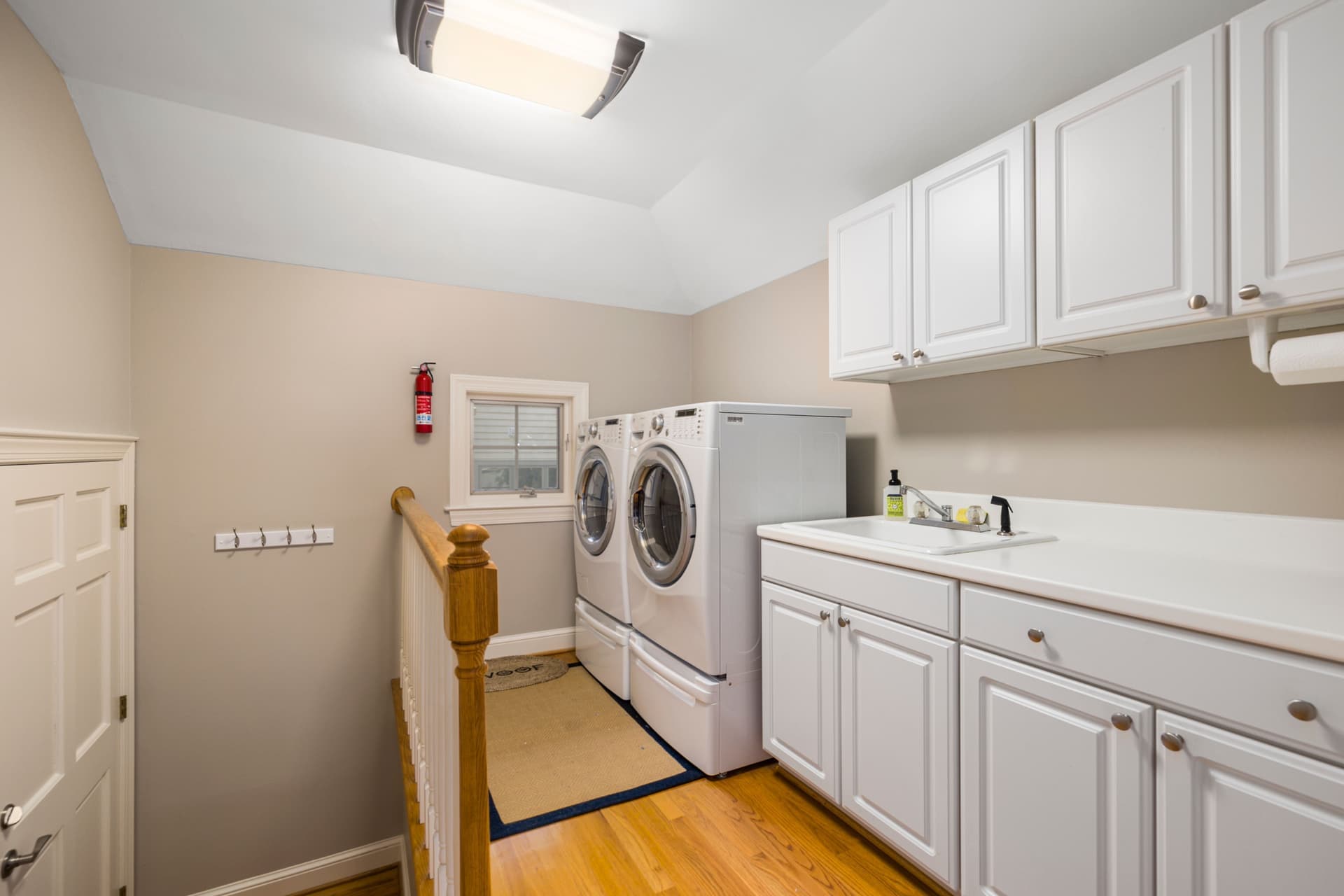
Stand where the dehumidifier will go and answer two questions. Where is the nearest drain - a floor drain, a sump pit, a laundry standpipe, a utility sink, a window well? And is it above or below the machine's drain port, which sits a few inches off the floor on most portables?
If the answer is below, you need nothing but a hose, and you can buy the cheapest 50-pint unit on the shelf. If the answer is above, you need a pump, and roughly half of the machines in any listing are immediately off the table. That is a bigger filter than capacity, brand or price, and almost nobody applies it first.
The three modes, honestly
| Mode | What it needs | Realistic maintenance | Fails how |
|---|---|---|---|
| Bucket | Nothing | A 50-pint unit fills a 1.7 gallon bucket in roughly 6 hours in a damp basement | You stop emptying it and the unit shuts off |
| Gravity hose | A drain below the port, continuous fall the whole way | Check the hose end once a season | Any uphill section, kink or sag traps water and it backs up |
| Condensate pump | Power, and a discharge point within the pump's rated run | Clean the reservoir yearly | Pump fails, unit shuts off - or worse, keeps running and overflows |
Bucket fill times assume the unit is working near its rated capacity. In a room at 65F and 60% RH a 50-pint unit removes about 50 pints in 24 hours, which is 6.25 gallons.
The mistake that produces a wet floor
The commonest drainage failure is not a broken pump. It is a gravity hose with a low spot in it. Water pools in the sag, the pool blocks the line, condensate backs up into the machine's tray, and either the float trips and the unit stops or the tray overflows. The hose has to fall continuously from the port to the drain - no loops, no sags across a floor, no running it up over a step.
The second commonest is a pump asked to do more than it is rated for. Manufacturers state these limits inconsistently: GE states 15 vertical feet of lift and a 16 foot hose for its 50-pint pump model, Quilo states 15 feet, and Frigidaire, Hisense and hOmeLabs state nothing. Where a maker does not state the lift, assume the shortest, most direct route you can arrange. Pump lift and distance.
Fittings
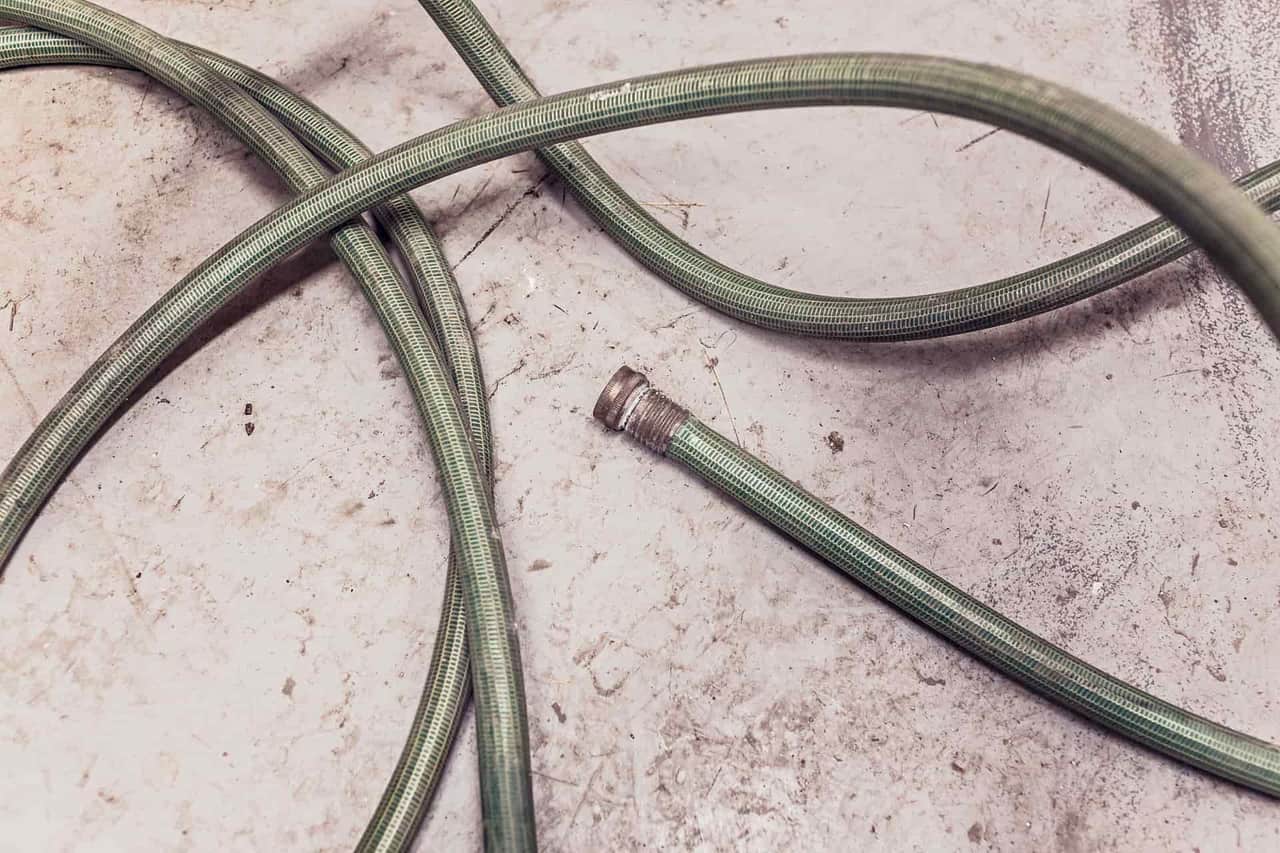
Most US portable dehumidifiers use a threaded outlet that accepts a standard garden hose fitting, which is why so many people end up draining one with a length of green hose from the yard. It works. It is also the reason a hose kinks - garden hose is stiff and has a memory. A short length of clear vinyl tubing sized to the port is easier to route and lets you see a blockage. Hose sizes and adapters.
FAQ
Questions
Can I drain a dehumidifier into a sump pump pit?
How high can a dehumidifier pump water?
Why has my continuous drain stopped draining?
Sources
Sources
We have not tested these products. How we work explains what we do instead, and how this site is funded.