Hub / Best
Best dehumidifiers, sorted by the decision you are making
Not one ranked list. Thirty, because the right machine for a basement with a floor drain is the wrong machine for a second-floor bedroom, and the pint number does not tell you which is which.
New here? Start with the best dehumidifiers for basements, then read what the pint number means before you spend anything.
30 pages in this section
Everything in this section
Best for basements
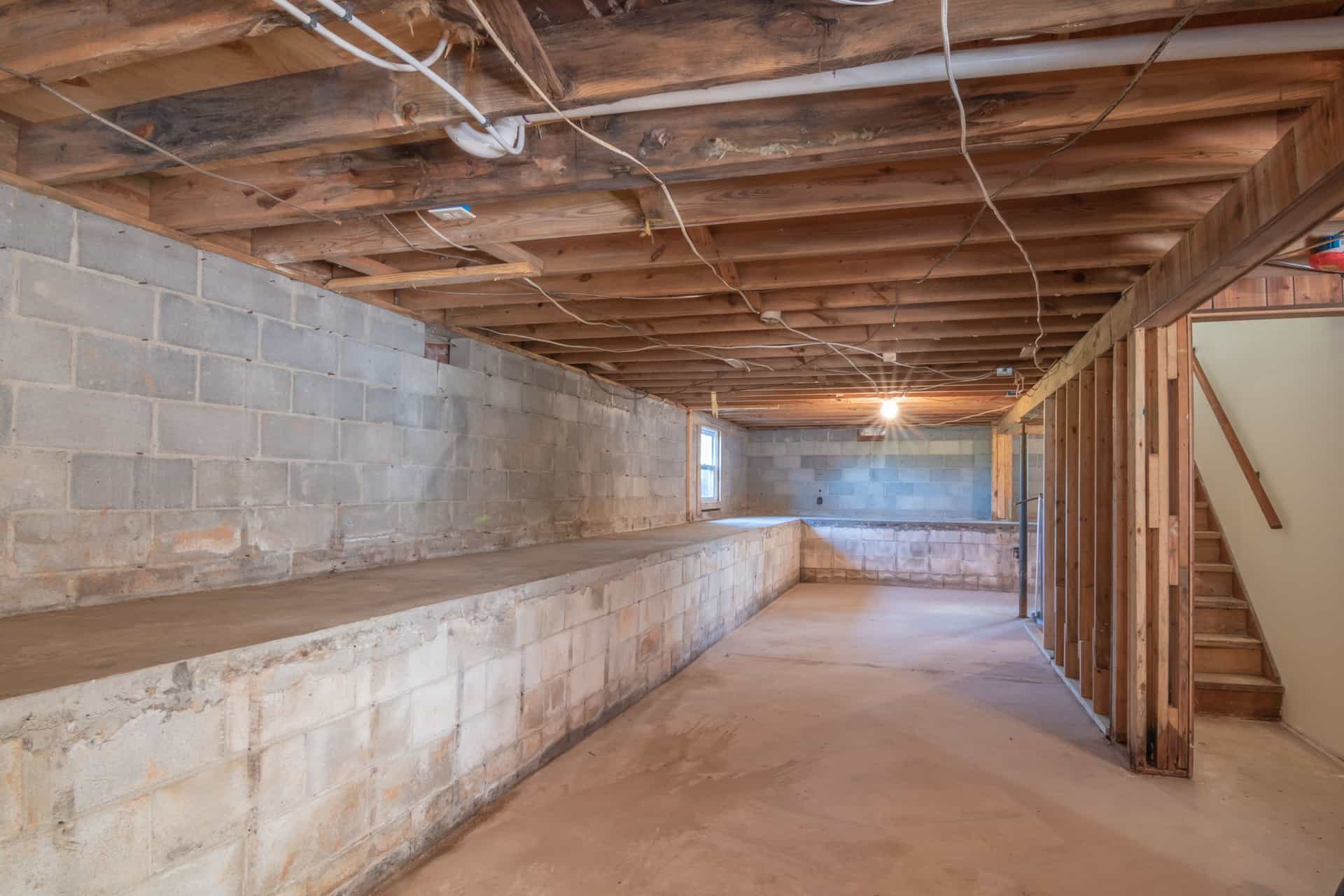
The best dehumidifiers for a basement
Five basement units ranked on drainage first, with computed running costs and a unit we would not buy.
Top pick: Midea Cube 50 Pint Dehumidifier
Best with a pump
The best dehumidifiers with a built-in pump
Five pump-equipped units, ranked partly on which makers will state what their pump can actually reach.
Top pick: Midea Cube 50 Pint Dehumidifier with Pump
#ad Price as of October 17, 2026. How we are funded

Best 50-pint
The best 50-pint dehumidifiers
Six 50-pint units and the certified data behind them: a 443-490 W range and a coverage claim that varies 1.9x.
Top pick: Midea Cube 50 Pint Dehumidifier

Best 30-pint
The best 30-pint dehumidifiers
The 30 to 34-pint class at about 318 W, and an honest account of when this is the wrong size.
Top pick: hOmeLabs 32 Pint Dehumidifier

Best for bedrooms
The best dehumidifiers for a bedroom
Four options for a room you sleep in, ranked on cycling behavior rather than a decibel figure nobody measured.
Top pick: hOmeLabs 32 Pint Dehumidifier
Best for bathrooms
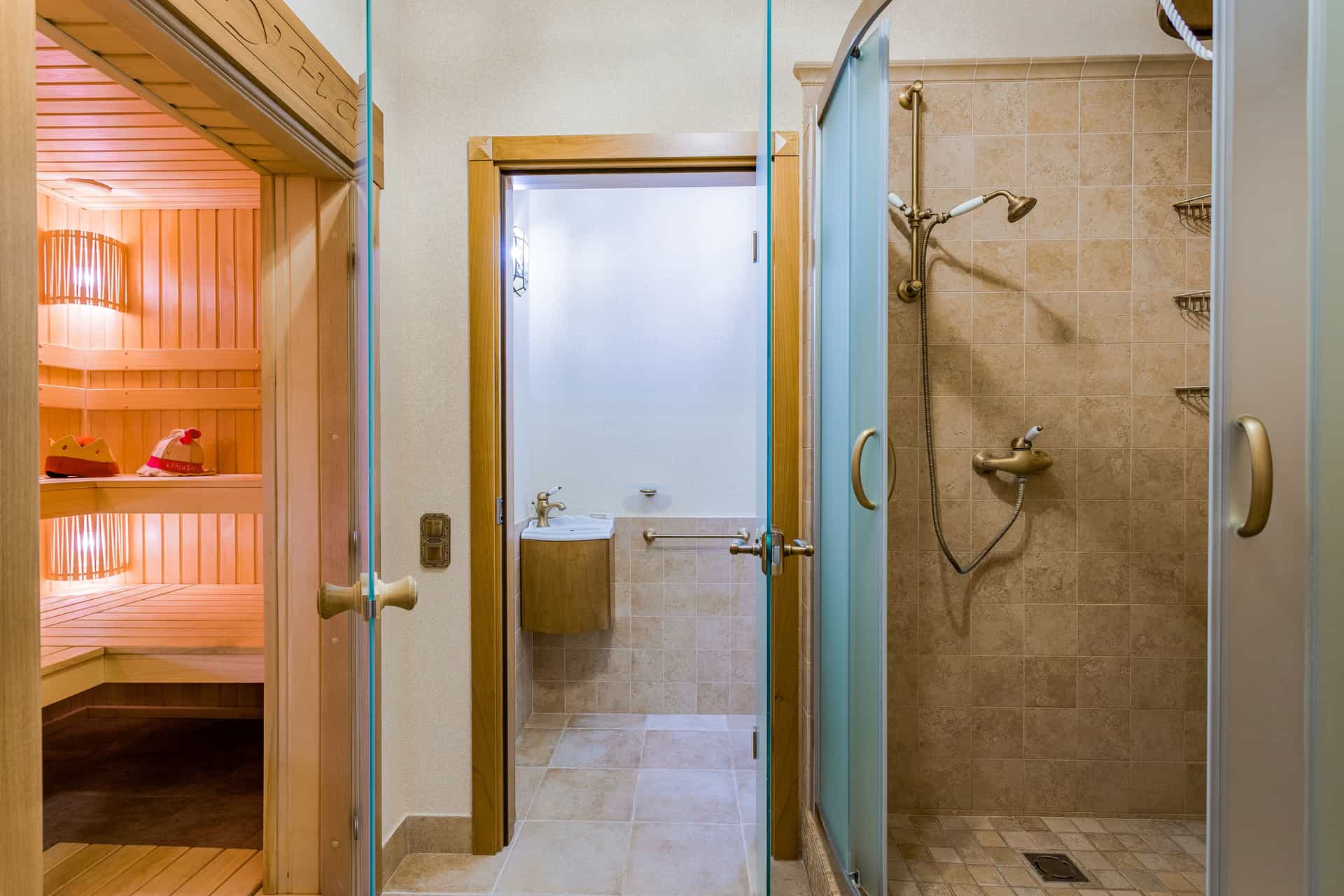
The best dehumidifiers for a bathroom
Four small units for a bathroom, plus the honest argument that an extractor fan beats all of them.
Top pick: Ivation 13 Pint Desiccant Dehumidifier
#ad Price as of October 17, 2026. How we are funded
Best for crawl spaces
The best crawl space dehumidifiers
Four crawl space options, and the 3.1x gap between the pint number on the box and the certified one.
Top pick: AlorAir Sentinel HD55 Crawl Space Dehumidifier
Best for garages
The best dehumidifiers for a garage
Five garage options and the temperature at which the obvious compressor choice becomes the wrong one.
Top pick: Waykar 80 Pint ENERGY STAR Dehumidifier
Best for apartments
The best dehumidifiers for an apartment
Three apartment-sized units chosen for tank ergonomics and run cost, because there is no floor drain.
Top pick: hOmeLabs 32 Pint Dehumidifier

Most efficient
The most energy-efficient dehumidifiers
What Integrated Energy Factor buys, measured across 527 certified models, and the four things that save more.
Top pick: hOmeLabs 32 Pint Dehumidifier
Quietest
The quietest dehumidifiers
Four quiet options, and a plain statement of what we can say about noise without having measured it.
Top pick: Pro Breeze Electric Mini Dehumidifier
#ad Price as of October 17, 2026. How we are funded
Best for mold
The best dehumidifiers for mold
A dehumidifier removes the humidity mold needs - it does not kill mold. Five units ranked on unattended running and cold-room performance.
Top pick: Midea Cube 50 Pint Dehumidifier with Pump
#ad Price as of October 17, 2026. How we are funded
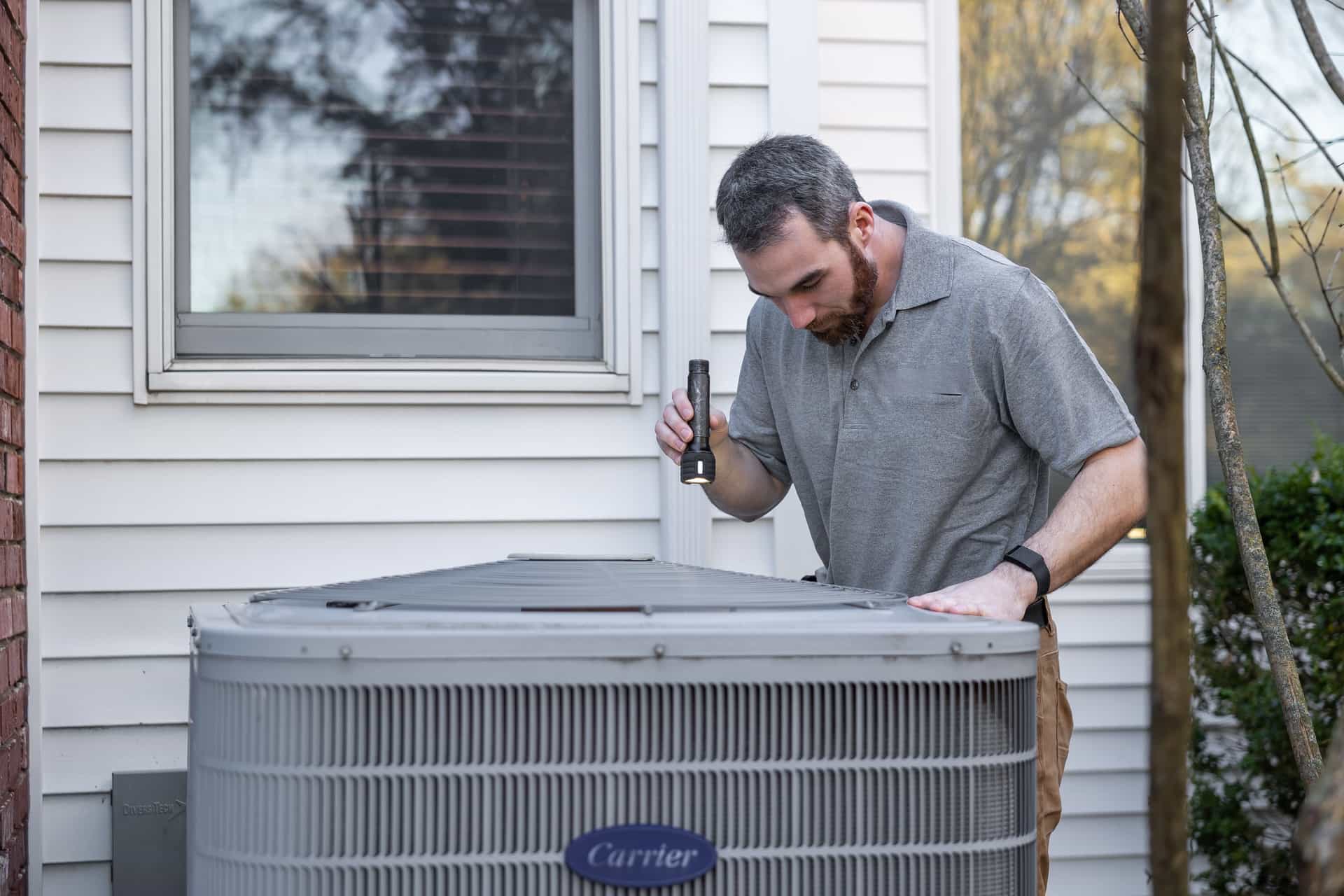
Best for a home
The best dehumidifiers for a home
One machine will not do a house - air does not cross closed doors. What each space needs, and what running three costs.
Top pick: Midea Cube 50 Pint Dehumidifier with Pump
#ad Price as of October 17, 2026. How we are funded
Best for musty smells
The best dehumidifiers for a musty smell
The smell is the exhaust of a damp problem. Four units for the room producing it, and the search that comes first.
Top pick: Midea Cube 50 Pint Dehumidifier with Pump
#ad Price as of October 17, 2026. How we are funded
Best for allergies
The best dehumidifiers for dust mites and allergies
401.2 mites per gram down to 6.7, in homes held under 51% humidity. Four units for the rooms where it matters.
Top pick: hOmeLabs 32 Pint Dehumidifier
Best for condensation
The best dehumidifiers for condensation
Condensation is a cold surface meeting a high dew point. Four units, and the cases where glass is the real problem.
Top pick: hOmeLabs 32 Pint Dehumidifier
Best for closets
The best dehumidifiers for a closet
Ounces a day, not pints - and the first specification is whether there is an outlet at all.
Top pick: Pro Breeze Electric Mini Dehumidifier
#ad Price as of October 17, 2026. How we are funded
Best for a safe room
The best dehumidifiers for a gun safe
The interior is a desiccant job we do not sell. The room around it is the half a machine actually fixes.
Top pick: Pro Breeze Electric Mini Dehumidifier
#ad Price as of October 17, 2026. How we are funded
Best for RVs and boats
The best dehumidifiers for an RV or boat
Unheated storage is the case that decides it - and it is the case a compressor unit cannot work in.
Top pick: Ivation 13 Pint Desiccant Dehumidifier
#ad Price as of October 17, 2026. How we are funded
Best value
The best budget dehumidifiers
The electricity costs more than the machine. Five value picks, and the false economy that costs $49 a season.
Top pick: hOmeLabs 32 Pint Dehumidifier
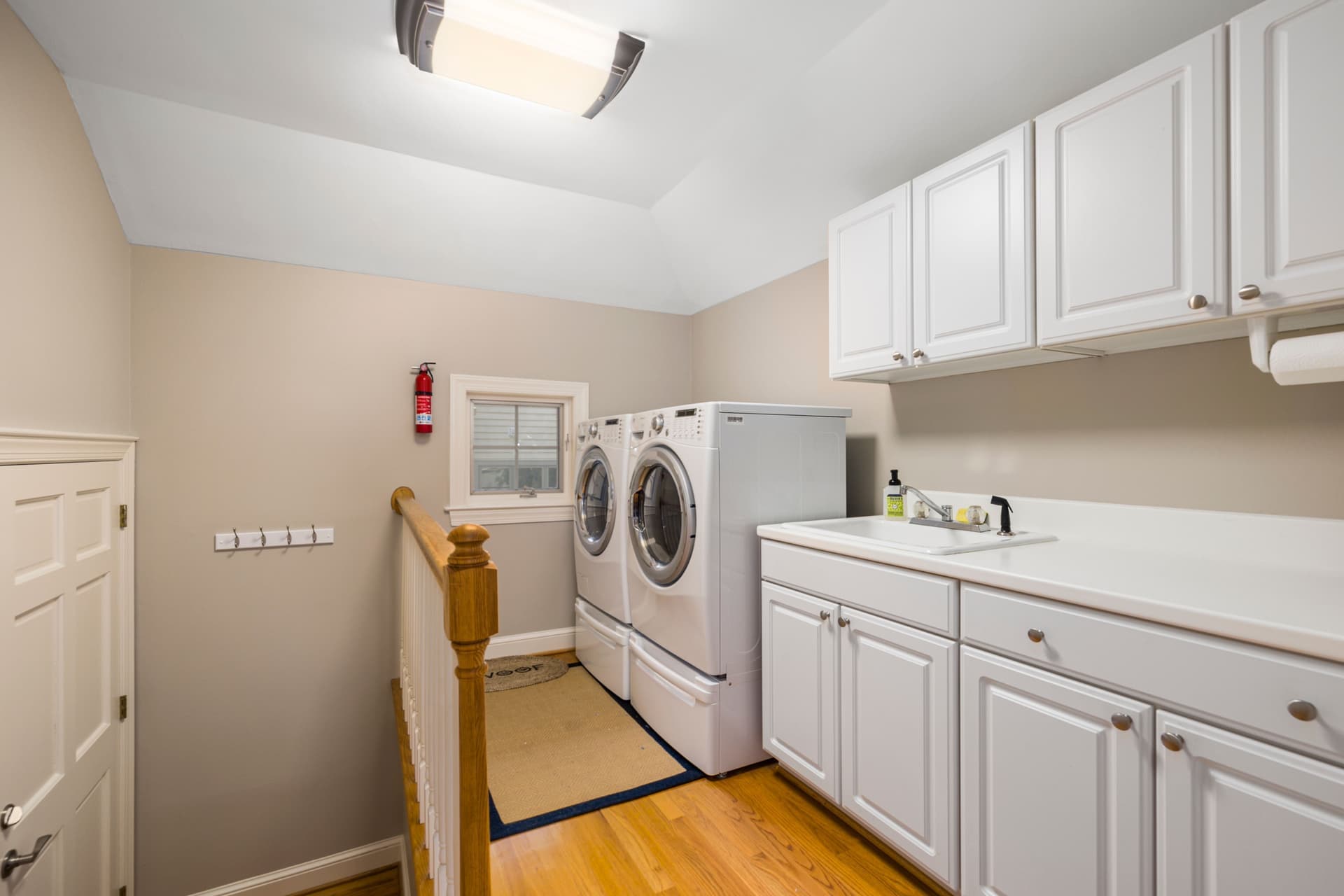
Best for laundry rooms
The best dehumidifiers for a laundry room
A spun wash load holds about 4.7 pints of water and the sink is on the wall. Four pump-first picks for laundry rooms.
Top pick: Quilo 50 Pint Dehumidifier with Pump
#ad Price as of October 17, 2026. How we are funded

Best large capacity
The best large capacity dehumidifiers
Not one certified portable exceeds 50 pints a day. What the 70, 119 and 150 pint headlines measure, and which to buy.
Top pick: Yaufey 150 Pint Dehumidifier
Best smart
The best smart dehumidifiers
Four connected units compared on what the app really buys you - which is being told the machine has stopped.
Top pick: LG PuriCare 50 Pint Dehumidifier with Wi-Fi

Best for cold rooms
The best dehumidifiers for a cold room
Four makers state a temperature floor and twenty-five do not. What each claims, and when to change technology.
Top pick: Hisense 50 Pint Dehumidifier with Pump
#ad Price as of October 17, 2026. How we are funded
Best for attics
The best dehumidifiers for an attic
One unit in thirty-one publishes a maximum operating temperature. Why that matters in an attic, and when to vent instead.
Top pick: Ivation 19 Pint Desiccant Dehumidifier
#ad Price as of October 17, 2026. How we are funded
Best for sheds
The best dehumidifiers for a shed
Unheated, small and barely powered. Why desiccant wins in a shed, and when a box of silica beats any machine.
Top pick: AEOCKY X1-Pro Rotary Desiccant Dehumidifier
Best for wood floors
The best dehumidifiers for hardwood floors
The one room where drier is damage. Buy on the humidistat's lower bound - and only seven units we track publish one.
Top pick: Midea Cube 50 Pint Dehumidifier
Best for mobile homes
The best dehumidifiers for a mobile home
Built to a federal moisture standard already. What that standard requires, what it leaves out, and the circuit math first.
Top pick: Midea Cube 35 Pint Dehumidifier
Brand guide
The best dehumidifier brands
136 brand names, 77 companies. Who makes their own machines, who shares a factory, and how to check in two minutes.
Top pick: Midea Cube 50 Pint Dehumidifier
The short answer
For most damp US basements the answer is a 50-pint DOE-rated compressor unit with continuous drainage, drawing around 488 W. Bedrooms and apartments want 30 to 32 pints at roughly 318 W. Crawl spaces want a low-profile unit. Bathrooms and closets want something else entirely.
Why there are thirty lists and not one
Every publisher in this category runs a single ranked list called something like best dehumidifiers, and every one of them is quietly answering a different question than the reader asked. A 50-pint machine that wins on a basement page is a bad recommendation for a bedroom, because at 488 W and a compressor cycling every few minutes it is loud, and the room does not need that much water removed. A silent thermoelectric unit that suits a wardrobe is a catastrophic recommendation for a basement: it removes about one pint a day against the 50-pint unit's fifty.
So the lists here are split by the decision. Pick the one that matches your room, or if you already know the capacity you need, pick the one that matches the number.
Three things that decide the purchase, in order
- 1Where the water goes. This is first because it is the constraint that cannot be fixed later. A unit with no pump drains downhill or not at all. If the only drain in the room is a laundry sink four feet up a wall, a gravity-only machine is a bucket you empty twice a day forever. Pump versus gravity is the decision, and it is worth making before you look at a single price.
- 2The DOE pint rating, not the number on the front of the box. Since June 2019 dehumidifiers have been tested at 65F rather than 80F, and ratings fell by roughly 25 to 30 percent on identical hardware. Some listings still lead with a saturation figure measured at 95F and 90% RH - one crawl space unit on this site is sold as 113 pints and certified at 36.33. The pint rating, explained.
- 3What it costs to run. A 50-pint unit averages 488 W. Twelve hours a day at the US average residential rate is about $1.07 a day, or $32 a month. A 32-pint unit at 318 W over the same hours is about $21. Over a damp season the gap is larger than the price difference between the two machines. Work out your own number.
What we are not doing on these pages
We have not tested any of these units. There is no chamber, no power meter, no sound meter, and no shelf of returned boxes in a garage. Publications that do have those things - Reviewed, HouseFresh, RTINGS - are worth reading and we link them where their work is relevant.
What we do instead is read the manufacturer documentation for every unit we cover, pull each model's certified capacity and Integrated Energy Factor out of the ENERGY STAR product list, compute what the machine actually draws, and show the arithmetic. That is a real, reproducible piece of work, and it produces a number - average watts - that almost nobody in this category publishes at all. It is also checkable: every figure on this site names its source and you can redo the sum yourself. How we pick.
Prices, and why some of them say Check price
Prices on this site come from a live data layer that is refreshed daily, and every price renders with the date it was verified. When a price is older than 48 hours it disappears and the button reads Check price on Amazon instead. That is deliberate. A stale price is worse than no price, because a reader who sees a number treats it as a fact, and the one thing this site sells is that its numbers are facts.
We earn a commission when you buy through a link here, at no cost to you, and that commission never decides a ranking. Where a cheaper unit is the better buy it goes first. The full disclosure.
FAQ
Questions
What size dehumidifier do I need for a basement?
Do I need one with a pump?
How much does a dehumidifier cost to run per month?
Sources
Sources
We have not tested these products. How we work explains what we do instead, and how this site is funded.