Drainage / Troubleshooting
The continuous drain has stopped working
Seven checks in order of likelihood. The first two account for most cases, take under a minute each, and neither requires opening anything.

The short answer
Check the drain cap first - it ships fitted and is the most common cause. Then check the hose for a sag or a kink. Between them those two account for the majority of continuous-drain failures, and neither needs a tool.
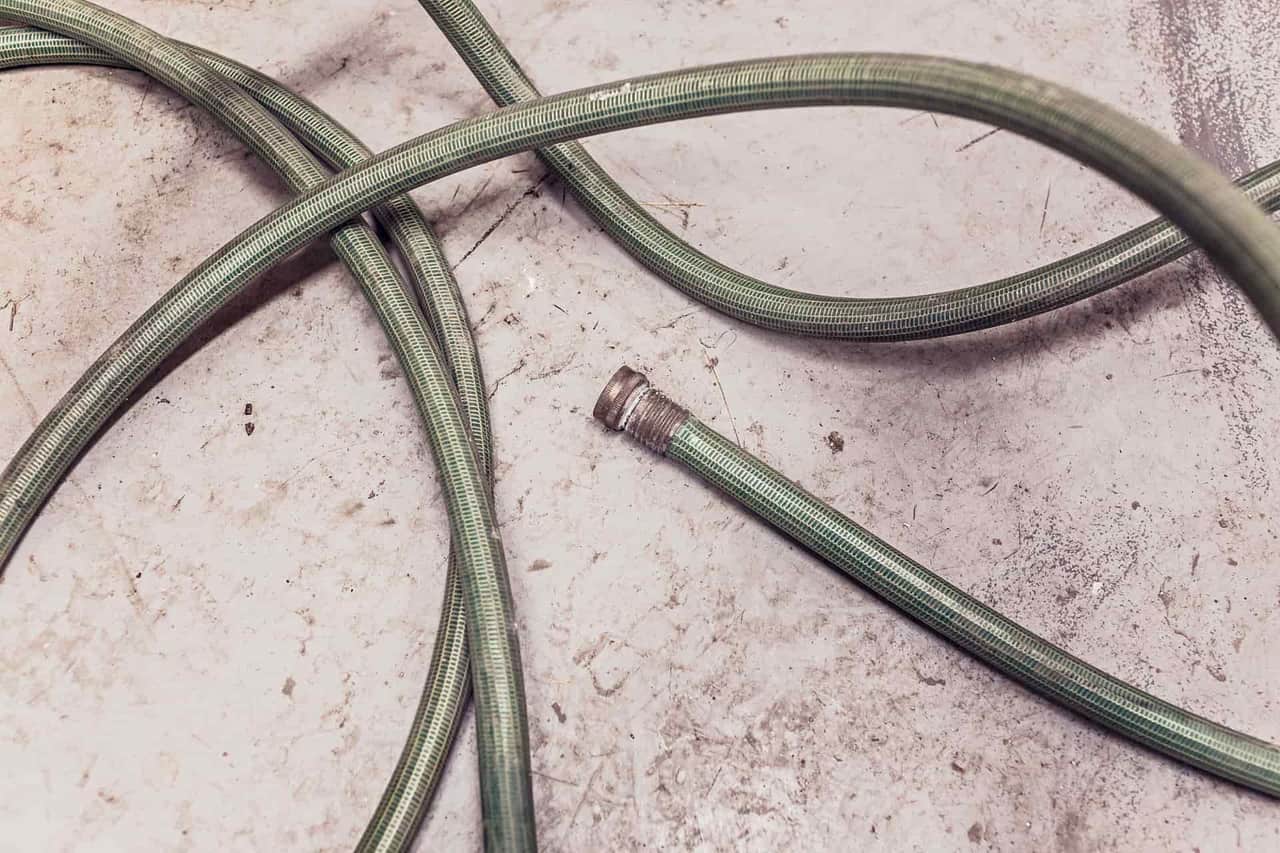
Work down this list in order
- 1Is the drain cap still fitted? Units with a threaded gravity port ship with a plastic cap in place so they drain into the bucket out of the box. Screw a hose onto the port with the cap still in and nothing comes out. Look inside the port, behind the bucket recess.
- 2Is there a sag or a loop in the hose? Water pools in the low spot, the pool blocks the line, condensate backs up. Run your hand along the whole route - any section that is not falling is the fault. Coiled excess hose behind the machine is the classic version of this.
- 3Is the destination higher than the outlet? A gravity drain cannot climb. If the hose goes up over a step, a pipe or a threshold anywhere on its run, gravity is not going to work regardless of how good the rest of the route is.
- 4Is the outlet end submerged? In a sump, a floor drain with standing water, or a bucket, a submerged end will not free-drain and can siphon back.
- 5Is the machine level? A unit tilted away from its drain port pools water in the tray. Check with a spirit level or a phone; the feet are often adjustable.
- 6Is the hose blocked? Disconnect it and run water through from a tap. Condensate is fairly clean, but a hose that has sat in a damp basement for a season can grow a biofilm plug, especially at a narrow section or a join.
- 7Is it a pump model that has stopped pumping? If the machine has a pump and it is not running, or is running constantly, the problem is the pump rather than the hose. Pump lift and distance. On a Frigidaire this shows as the PU code, and Frigidaire's own first step is the hose rather than the pump - Frigidaire error codes.
If there is water on the floor
Different sequence, and treat it as urgent because water and a mains appliance are on the floor together. Unplug it first.
- Where is the water coming from? Under the machine, or from a hose join? A join is a washer or a cracked fitting and is an easy fix.
- Is the tray overflowing? That means condensate is being produced faster than it is leaving - a blocked line, a failed pump, or a tray that is not draining because the machine is out of level.
- Is it condensation on the outside of the machine? In a very humid room a cold surface will sweat. Uncommon on a dehumidifier casing but not unheard of, and harmless.
- Is the bucket seated properly? A bucket not fully home can let water past the seal. Remove it and refit it.
Preventing the repeat
- Cut the hose to length rather than coiling the excess. A coil becomes a sag.
- Support the run every few feet along a wall, rather than letting it lie loose on the floor where it will find its own low point.
- Flush the line once a season with clean water. Two minutes, and it clears the biofilm before it becomes a plug.
- Check it a week after setting it up. Most drainage faults appear over days as the hose settles, not in the first hour.
- Switch to the bucket in freezing weather if the line runs outside. A frozen outlet backs the whole line up.
FAQ
Questions
Why is my dehumidifier filling the bucket when the hose is connected?
Almost always the drain cap is still fitted inside the port. It ships in place so the machine drains into the tank out of the box.
Can a dehumidifier drain hose get blocked?
Yes. Condensate is fairly clean but a hose left in a damp basement for a season can grow a biofilm plug, usually at a narrow point or a join. Disconnect it and flush it with a tap.
Why is my dehumidifier leaking water on the floor?
Usually a blocked or sagging drain line backing water up into the tray, a hose join that has lost its washer, or a bucket that is not seated. Unplug it, then work down the checklist above. Leaking.
Sources
Sources
Read next
- Setting up a continuous drainA five-step method, the plastic cap that causes most failures, and the sag that causes the rest.
- There is water on the floorUnplug it, then six causes in order. Most are the drain rather than the machine.
- Hoses, threads and adaptersWhich hose, which adapters, and the four fittings that turn a working drain into a leak.
- It is not collecting any waterEight checks in order. The first four take a minute each and none of them is a fault.
- How far will the pump actually push it?Three of seven pump models state a lift. What they say, and how to plan when a maker states nothing.
- Frigidaire dehumidifier error codesNine codes, five faults, and the two Frigidaire documents that give different answers for F0.